Total: €0,00
Taxes and shipping costs calculated at checkout


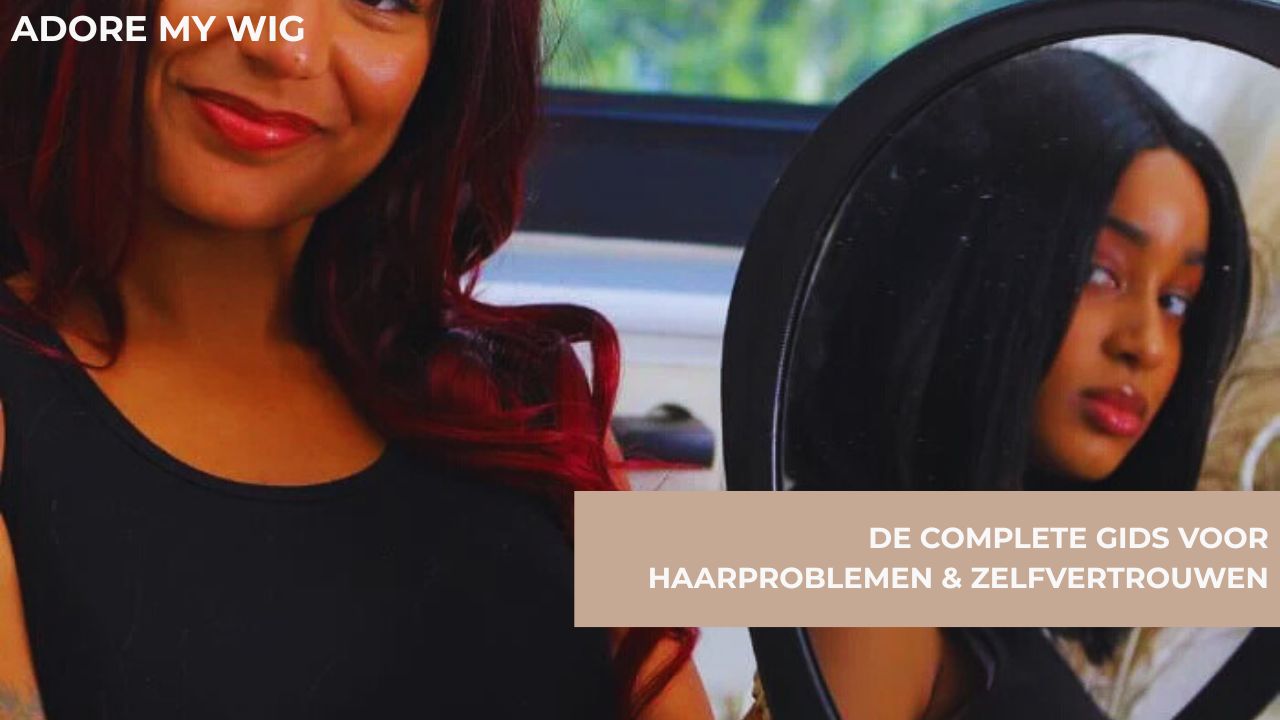
Hair Problems Causes play a big role in the lives of many women because your hair is directly connected to your identity, appearance, and self-confidence. When you experience changes in your hair, it often feels like you are losing control over an important part of yourself — even if you don’t exactly know which causes of hair problems underlie this. You can read more about this in Wig Confidence & Self-Expression: How Wigs Help You Feel Like Yourself Again.
For many women, it starts very subtly: more hair in the brush, a part that seems wider, strands that break more easily, or volume that gradually disappears. These are signals that are often only taken seriously when they visibly affect your look or daily routine. And precisely because you do not immediately know which causes of hair problems play a role here, it can cause unrest and insecurity. Do you want to understand whether you are dealing with breakage or loss? Then read Hair Breakage vs Hair Loss.
In addition, hair changes not only have a physical effect but also an emotional effect. Hair represents femininity, strength, style, and even certain life phases. When your hair changes, often how you see yourself changes too. That is why understanding hair problems is an important first step to regaining control over what is happening — and from there making choices that support your self-confidence.
Understanding causes of hair problems not only helps you recognize what is happening to your hair but also to discover which steps you can take to improve it. Many women think hair changes “are just part of it,” but often there are clear hair problems that you can address or alleviate. Below you will find the most common factors that influence the health, thickness, and growth of your hair.
From pregnancy to menopause — hormones are one of the most important causes of hair problems . They largely determine how your hair grows, falls out, and recovers. Many women notice periods of sudden hair loss or thinning because of this.
Prolonged stress is a common cause of hair loss. It disrupts the hair growth cycle, causing more hairs to enter the ‘resting phase’ and eventually fall out. Stress is therefore one of the most underestimated causes of hair problems .
Heredity plays a bigger role than many women think. If hair loss or thinning hair occurs in your family, there is a good chance you will experience it yourself sooner.
Excessive heat, harsh products, chemical treatments, or wearing hairstyles too tightly can weaken the hair. This leads to hair breakage, thinning hair, and sometimes even permanent damage.
A deficiency in vitamins such as iron, biotin, or vitamin D can affect the growth and structure of your hair. The body always prioritizes vital functions — which is why your hair is one of the first signals to show that something is missing.
Thyroid disorders, anemia, inflammation, or certain medications can cause hair problems. If you notice your hair changing quickly, this can be a signal to consult a doctor.

Many women only notice late that certain causes of hair problems have been affecting their hair health for a longer time. Recognizing early signs is important because it allows you to respond faster to changes and limit further damage. Although every hair type reacts differently, there are some clear signs that your hair is responding to underlying causes of hair problems .
Everyone loses hair — that’s completely normal. But when you notice an unusually large amount of hair in your brush, shower drain, or pillow, it can indicate disruptions in the hair growth cycle. This often happens when causes of hair problems such as stress, hormones, or a lack of nutrients are present.
A subtle but important sign is a parting that slowly widens. This often indicates thinning hair. A receding hairline can also point to genetic or hormonal causes of hair problems .
If your hair breaks more easily during brushing, styling, or even just wearing a simple ponytail, that’s a sign your hair shaft is weakened. This can be caused by heat, chemical treatments, or lack of hydration — all common triggers linked to hair problems.
Thinning hair often loses its resilience. If you notice your hair falling limp, looking less full, or lacking body, this is a sign that your hair structure is changing. This often happens with hormonal fluctuations or stress.
Your scalp often reacts first to internal changes. Itching, redness, flakes, or sensitivity can indicate disturbances that indirectly affect hair problems. A healthy scalp is essential for healthy hair growth.
Hair problems never affect just your hair — they often affect a part of your identity. That’s why many women feel overwhelmed or insecure when they notice that hair problems begin to affect their appearance. This emotional impact is completely normal but is often underestimated or not openly discussed.
When your hair changes, often so does how you present yourself. Many women say they are less spontaneous, hide hairstyles more often, or feel less attractive in photos. This is one of the most recognizable effects of causes of hair problems , especially when hair loss or thinning hair becomes visible.
It starts small: you check your part in the bathroom, smooth your hair down more often, or walk past mirrors more frequently. But over time it becomes a habit born out of insecurity. This behavior often arises when you don’t exactly know what the causes of hair problems are — making it feel like you are losing control.
Many women say they become afraid to brush, wash, or style their hair because they see more and more hair falling out. The daily moment that was once taken for granted becomes a source of stress.
Hair has symbolic value: it represents femininity, strength, beauty, and sometimes certain phases in your life. When you notice that problems affect this symbolism, it can feel like you are gradually losing connection with a part of yourself.
More women than you think experience hair loss, thinning hair, or structural changes due to hormones, age, stress, or hereditary factors. Yet many women feel like they are the only ones. This is because hair problems are often hidden or not discussed — while recognition and understanding can be very helpful.
Do you want to know what options you have before visiting a specialist? Then take a look or discover directly The Best Solutions for Thinning Hair.
If you lose a lot of hair in a short period, notice clumps coming loose, or observe bald spots, this may indicate medical causes of hair problems such as alopecia, thyroid problems, or hormonal imbalances.
A healthy scalp should feel comfortable. Itching, burning, red spots, or inflammation can indicate underlying conditions. These can affect your hair growth if left untreated.
Do you see similar patterns in your family? Then there is a good chance that genetic causes of hair problems play a role. A dermatologist can help determine what your best fitting approach is.
Certain medications have hair loss as a known side effect. A doctor can check if this applies to you and what steps are possible.
If insecurity or stress due to hair problems affects your daily life, it is absolutely no taboo to seek help.
Hair grows slowly — on average one centimeter per month. That means you won’t see improvement immediately, even if you do everything "right." Patience is an important factor, especially when causes of hair problems have had an influence for a longer period.
Volume products, hair fibers, or smart styling techniques can help you feel better immediately while you work on long-term recovery. The goal is for you to feel beautiful and confident, even during the interim period.
Not all hair changes can be solved on your own. Sometimes it is wise — and actually very powerful — to seek professional help when you suspect that causes of hair problems lie deeper than stress, styling, or lifestyle. Many women wait too long because they think it will "just go away," but timely advice can actually prevent problems from worsening.

If you lose a lot of hair in a short period, notice clumps coming loose, or observe bald spots, this may indicate medical causes of hair problems such as alopecia, thyroid problems, or hormonal imbalances. A doctor or dermatologist can conduct targeted examinations.
A healthy scalp should feel comfortable. Itching, burning, red spots, or inflammation can indicate underlying conditions. These can affect your hair growth if left untreated.
Do you see similar patterns in your family? Then there is a good chance that genetic causes of hair problems play a role. A specialist can help determine which treatments may or may not be effective in your situation.
Some medications cause hair loss as a side effect. Also, after severe infections, surgeries, hormonal therapies, or prolonged illness, your hair can react. A doctor can map out what options are available to support your hair and scalp.
If hair problems cause you to hide yourself, make fewer social appointments, or even experience emotions like shame or sadness, then it is absolutely not taboo to ask for help. You deserve to feel beautiful, strong, and confident again.
The goal of expert advice is simple: clarity, reassurance, and a plan that fits your situation. Whether it involves medical tests, a scalp analysis, or a treatment recommendation — it provides calm and direction.
Hair changes can be confusing and emotionally heavy, especially when you don’t know exactly which causes of hair problems play a role in your situation. By gaining more insight into what is happening in your body, scalp, and hair, space is created for calm and direction. You now know that hair problems can have many different causes — from hormones and stress to lifestyle, nutrition, hereditary factors, or medical reasons.
What is especially important to remember:
you are not alone in this. Most women experience one or more periods in their lives when their hair changes. That doesn’t make your experience any less upsetting, but it does mean there are solutions that can really help.
Your hair does not define your worth, but it can absolutely be important to you. It is something you wear, see daily in the mirror, and that is connected to how you present yourself. That’s why you deserve solutions that support you, strengthen you, and help you feel beautiful, full, and powerful again.
For many women, temporary or cosmetic solutions are a nice way to maintain their confidence while working on long-term recovery. Think of smart styling, volume products, hair fibers, or other visual solutions that provide immediate results.
And for women looking for a solution that offers more than just styling, there are also cosmetic options that make your hair look fuller, more natural, and more even — without medical procedures.